2025-10-13 21:30 |
Bitcoin’s price chart looks like the heart monitor of someone sprinting uphill after five espressos. Peaks, plunges, pauses, and then another sprint. To outsiders, it seems chaotic. To insiders, it’s simply Tuesday. The swings fuel every hot take: Bitcoin’s a bubble, it’s dying, it’s unstoppable, it’s rigged. Most of those takes are built on myths that crumble under a bit of scrutiny.
Right now, check the Bitcoin price and you’ll see the number sitting around $113,000 per coin, a level unthinkable a few years back. That’s not random noise. That’s the result of adoption, liquidity, institutional entry, and macroeconomic pressure all colliding into one digital asset. Volatility is still there, yes, but it isn’t the cartoonish chaos people imagine. It has patterns, reasons, even logic. You just have to look past the headlines.
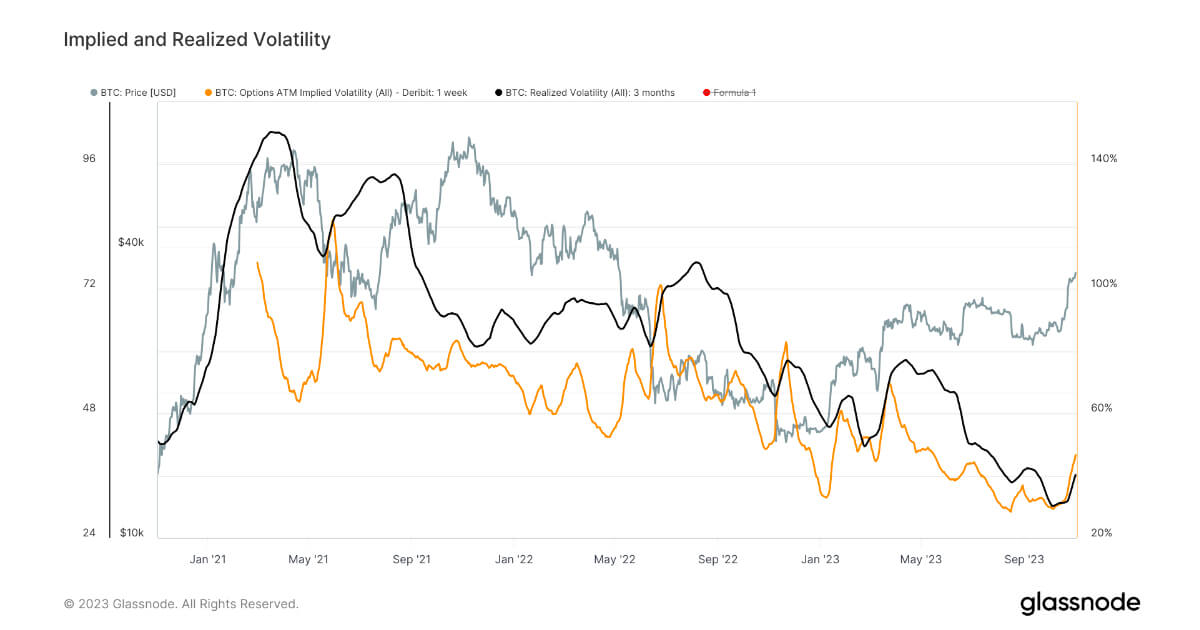
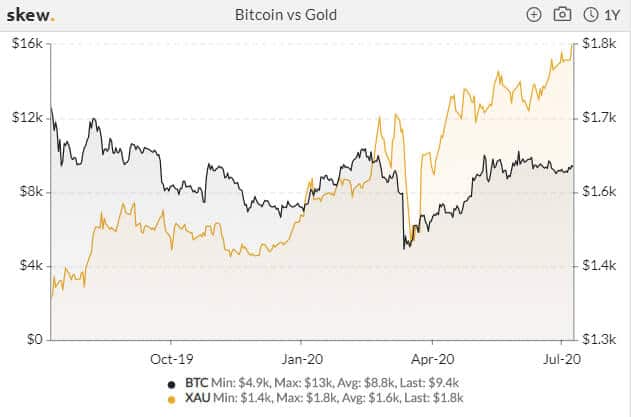
Myth #1: Bitcoin Is More Volatile Than Any Other AssetIt’s not. It feels that way because Bitcoin is new, digital, and loud. But look at the numbers: the annualized volatility of Bitcoin over the last decade has averaged between 60% and 80%. High, sure. Yet compare it to small-cap stocks, emerging market currencies, or commodities during crisis periods. Gold has seen multi-decade swings. Tech stocks during the dot-com bubble made Bitcoin look like a sedated monk.
Volatility is a measure of uncertainty. Bitcoin’s young age, evolving regulation, and uneven liquidity make it more prone to whiplash than blue-chip stocks. But it isn’t a freak of nature. It’s an asset finding its price in real time, like every market did in its adolescence.
Myth #2: Volatility Means It Can’t Be MoneyThis myth comes up every cycle. The argument goes: if the price moves too fast, no one will use Bitcoin to buy coffee or groceries. And it’s true—nobody wants to swipe $5 in Bitcoin for a latte only to learn it would’ve been worth $8 the next day.
But money isn’t just about lattes. It’s also a store of value, something to park wealth in during uncertain times. Volatile assets can still serve that role if long-term direction is clear. Early U.S. dollars weren’t stable at birth. Neither were post-war European currencies. Volatility eased as adoption deepened. Bitcoin is following that arc.
And here’s the kicker: Bitcoin’s volatility has actually declined over time. Its wildest swings were in the early years, when liquidity was thin. As trading volumes grow and institutions add ballast, the amplitude of the roller coaster has been shrinking. Slowly, but steadily.
Myth #3: Whales Control Every Price SwingYes, large holders exist. They can and do move markets. But the idea that whales sit around like Bond villains pushing buttons to crash Bitcoin at will? That’s myth-making.
Research on Bitcoin’s trading structure shows liquidity is concentrated, but not monopolized. Over time, the network effect has diluted whale power. Exchanges, derivatives, and arbitrage keep extreme manipulation in check. When Bitcoin moves 10% in a day, it’s usually not one whale. It’s macro: inflation data, central bank signals, global risk appetite. Whales may stir the pot, but they’re not the chef.
Think of it like Jurassic Park. The T-Rex is terrifying, sure, but it isn’t the whole ecosystem. The weather, the fences, the chaos theory—they matter too. Bitcoin’s price is the same. Whales roar, but the climate drives the story.
Myth #4: Volatility Makes Bitcoin Useless for InstitutionsInstitutions crave stability, but they also crave returns. And the last few years have shown a shift: pension funds, insurers, and corporate treasuries have dipped into Bitcoin despite the swings. Why? Diversification. Bitcoin has historically had low correlation with traditional assets, especially during its first decade. That makes it attractive as a hedge.
Financial products like futures and ETFs let institutions manage exposure. Volatility doesn’t scare them off—it gives them tools to profit. Traders don’t hate volatility. They live on it. What they fear is illiquidity, and Bitcoin is becoming less illiquid with every cycle.
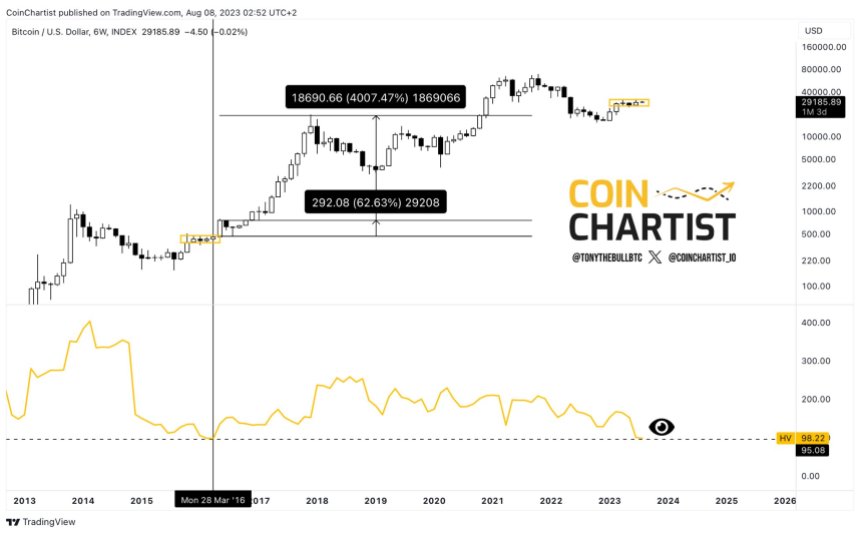
Myth #5: Volatility Will Never ImproveThis one ignores history. Bitcoin’s standard deviation of returns—its statistical “choppiness”—has trended down over the last decade. It hasn’t gone flat, but the wild 1,000% pumps and 90% crashes of the early years are less frequent now. Each halving cycle brings bigger players, deeper liquidity, and more sophisticated hedging strategies.
Volatility will never vanish; it’s part of the DNA. But it will likely moderate as Bitcoin grows. Mature markets always look wild in hindsight. Stock markets in the 19th century were rife with bank runs and 50% plunges. Oil markets in the mid-20th century were brutal. Those calmed as they matured. Bitcoin’s walking the same path.
Don’t Fear VolatilityVolatility isn’t a glitch. It’s the price of entry into a frontier market. Traders see it as a feature, long-term holders see it as noise, and skeptics see it as proof of doom. The truth is more mundane: volatility is just part of the growth curve.
If you’re staring at a Bitcoin price tracker and wondering whether the next swing spells fortune or disaster, remember this: volatility doesn’t mean failure. It means uncertainty, and uncertainty is the raw material of markets. Bitcoin is still young compared to gold, bonds, or even equities. Its swings are the sound of price discovery, not death rattles.
origin »Bitcoin price in Telegram @btc_price_every_hour
Inverse Bitcoin Volatility Token (IBVOL) на Currencies.ru


|