2025-8-22 09:17 |
China is considering allowing yuan-backed stablecoins for the first time in a move aimed at boosting international adoption of its currency, Reuters reported citing people familiar with the matter.
The proposal, now under review, would represent a significant departure from Beijing’s strict stance on digital assets, which saw cryptocurrency trading and mining banned in 2021.
The State Council, China’s cabinet, is expected to deliberate on a roadmap later this month.
The plan would set targets for the yuan’s usage in global markets, assign responsibilities to regulators, and provide risk-prevention guidelines, the sources said.
Leadership to set tone on yuan internationalisationSenior Chinese leaders are due to convene for a study session as early as the end of August to discuss yuan internationalisation and the potential of stablecoins, the report said.
At the meeting, officials are expected to signal how far and in what contexts stablecoins can be applied in business.
If approved, the plan would mark a new phase in China’s bid to elevate the yuan to global currency status alongside the dollar and euro.
The country has long aspired to greater financial influence but has been constrained by strict capital controls and a large annual trade surplus that limit free flow of the yuan.
Stablecoins gain global momentumStablecoins, digital tokens pegged to fiat currencies, have grown rapidly in global finance.
Backed mainly by the US dollar, they now underpin vast amounts of trading and cross-border transfers.
According to the Bank for International Settlements, more than 99% of stablecoins are linked to the dollar.
China’s yuan accounted for just 2.88% of global payments in June, its lowest share in two years, compared with the dollar’s 47.19%, data from SWIFT showed.
That imbalance, along with mounting U.S.-China tensions, has added urgency to Beijing’s latest policy shift.
In the US, President Donald Trump has thrown support behind dollar-pegged stablecoins and is building a regulatory framework to legitimise their use.
South Korea and Japan are also advancing initiatives for won- and yen-backed versions, respectively.
Hong Kong and Shanghai to lead rolloutHong Kong and Shanghai are expected to serve as testing grounds for yuan stablecoins, according to the sources.
Hong Kong’s stablecoin ordinance, which took effect on August 1, has already established a framework for regulating fiat-backed issuers. Shanghai, meanwhile, is developing an international operations hub for the digital yuan.
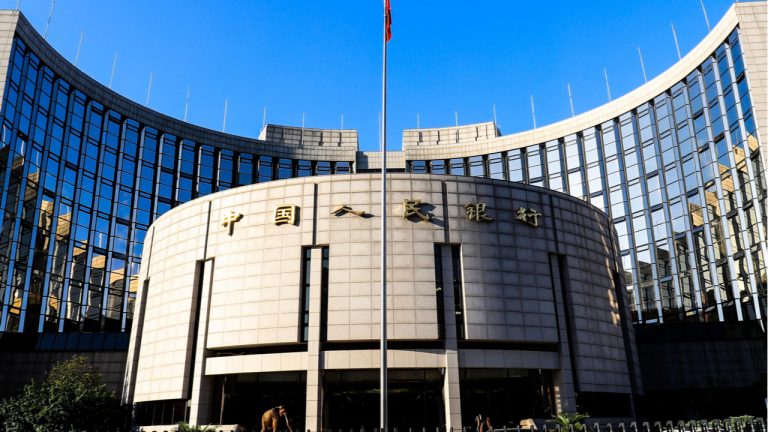
The People’s Bank of China (PBOC) will take a central role in implementing the new policy, though final approval rests with the State Council, the sources said.
The State Council Information Office did not immediately respond to requests for comment.
Local regulators in Shanghai recently held internal meetings to consider strategic responses to stablecoins and other digital currencies, signaling growing momentum for adoption.
PBOC advisor Huang Yiping has also suggested that an offshore yuan stablecoin in Hong Kong is “a possibility.”
Strategic timing amid US rivalryBeijing’s exploration of stablecoins comes as Chinese exporters increasingly rely on dollar-backed versions to facilitate international trade.
The State Council is expected to include discussions on yuan and stablecoins in cross-border trade at the Shanghai Cooperation Organisation summit in Tianjin from Aug. 31 to Sept. 1.
Analysts say the policy shift could help China counterbalance the dominance of dollar stablecoins in global finance while promoting its own digital currency projects.
Stablecoins are seen as faster and cheaper for payments compared with traditional systems, which could make them attractive for trade settlements.
Challenges to adoption remainDespite the potential, hurdles remain.
China’s capital controls could make it difficult for yuan stablecoins to circulate freely, limiting their appeal for international investors and traders.
The experience of its central bank digital currency, the e-CNY, has shown that policy and infrastructure alignment are crucial for adoption beyond domestic borders.
Market participants say risk management and regulatory clarity will be key if Beijing is to succeed.
Stablecoins carry concerns ranging from financial stability to illicit use, which regulators worldwide are trying to address.
The global stablecoin market remains relatively small at about $247 billion, according to CoinGecko.
However, Standard Chartered Bank forecasts that figure could grow nearly tenfold to $2 trillion by 2028, suggesting large opportunities ahead for early movers.
For China, the move would not only be about financial innovation but also about geopolitics.
By entering the stablecoin arena, Beijing signals its intention to contest U.S. dominance in digital finance while pursuing its long-held ambition of greater currency internationalisation.
The post China mulls yuan-backed stablecoins in major policy shift: report appeared first on Invezz
origin »Bitcoin price in Telegram @btc_price_every_hour
Speed Mining Service (SMS) на Currencies.ru


|