2025-1-20 05:05 |
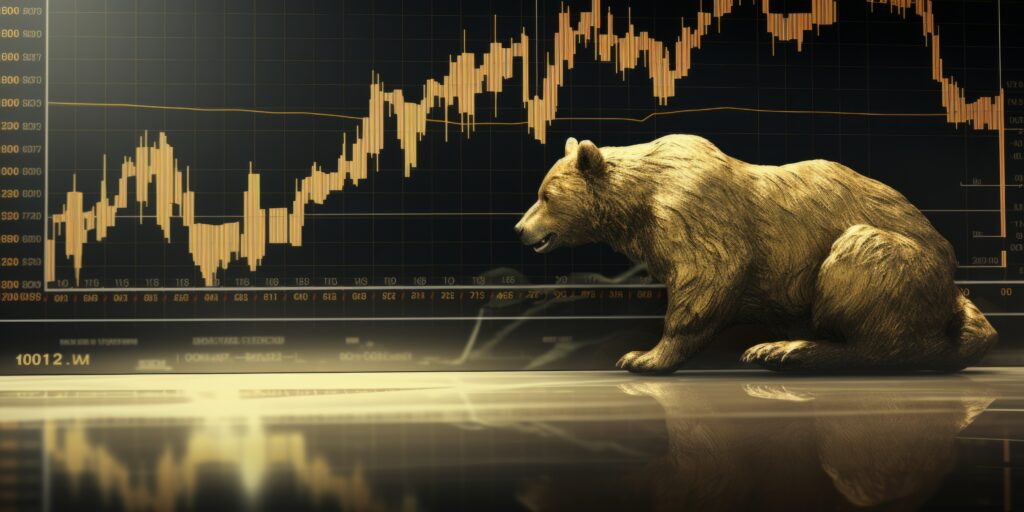
If you’ve followed cryptocurrency news even casually, you’ve probably noticed how unpredictable the market can be. The NFT market is no exception. In fact, just last year, in 2024, the NFT market dropped 19%, reminding both seasoned and new investors that the ride can be wild. These ups and downs aren’t random, they’re a direct result of market trends, investor behavior and broader economic factors.
In times like these, it’s more important than ever to have a plan before you get into NFTs. This article will break down 8 best practices to help you navigate the NFT market with confidence. We’ll explain why these matters, define tricky terms in plain English and give you the tools to make better decisions.
Why Do We Need Best Practices for NFT Investing?“Volatility” simply means that prices can change quickly—sometimes within hours or even minutes. Because digital collectibles are often bought and sold using cryptocurrency, the entire ecosystem is connected to market swings in blockchain technology. Think of it like a roller coaster: exciting, but you need a safety harness (in this case, a good crypto portfolio strategy).
When the market is all over the place, beginner investors often make emotional decisions. They might panic-sell at a loss or rush into the “next big thing” without market analysis. By following established best practices, you’ll stand on more solid ground, even when everyone else is losing their heads.
Below are eight actionable steps you can take to protect yourself and potentially profit, even in an unpredictable NFT climate.
Understanding the Volatile NFT MarketVolatility means rapid and unexpected price changes. In the NFT ecosystem, this can happen if, for example, a celebrity tweets about an NFT project, causing demand to soar—or if a large investor (often called a “whale”) suddenly sells a huge stash, causing prices to plummet.
Why NFT Prices Swing Dramatically Supply and Demand: The more people want a specific NFT, the higher its “floor price.” The floor price is essentially the cheapest listed NFT in a collection. If demand drops, the floor price usually falls too. Trading Volume and Whale Investors: When a few big buyers (whales) enter or leave a market, it can drastically shift prices. Broader Crypto Trends: If there’s a sudden crypto crash, expect NFTs to follow suit since both are tied to overall market confidence. Best Practice #1: Conduct Thorough Research (DYOR)“DYOR” stands for “Do Your Own Research.” It’s a phrase you’ll hear frequently in the crypto world. It’s a fancy way of saying, “Don’t just trust the hype; look into the details.”
Project Due Diligence NFT Roadmap: Check if the project has a detailed plan for future developments. Projects without a clear vision may struggle in the long term. Creator Background: Research the artist or dev team. Look at their past work, credentials and any notable collabs. Community Feedback: Check Discord or other social media. A lively, positive and engaged community is a good sign. Analyze Historical Data Past Pricing Trends: Look at the price movement of the collection. Consistency or steady growth is a good thing. Transaction History: How often are NFTs being bought and sold? Too few sales might mean low demand. Team Reputation: A team with a good portfolio tends to have better outcomes.Recommended tools include NFT analytics tools like Nansen or Dune Analytics, where you can study sales volumes, holder distribution, and more.
Best Practice #2: Diversify Your NFT PortfolioWould you put all your money into one stock or one cryptocurrency? Probably not. The same goes for digital collectibles. Instead, consider buying NFT art, gaming NFTs, or metaverse land—a virtual space within an online platform.
Even though we’re focusing on NFTs, it’s wise to have a broader investment strategy that includes traditional assets like stocks, bonds, or ETFs. That way, if the NFT market hits a rough patch, you’re not losing everything at once.
Best Practice #3: Set Clear Investment Goals Short-Term vs. Long-Term Strategy Short-Term (NFT Flipping): Buying low and selling high in a short time frame. This is high risk but can yield quick returns. Long-Term (Hodling): “Hodl” is crypto slang for “hold.” You might buy an NFT you believe will grow in value over months or years. Exit StrategyBefore you even click “buy,” decide what price will prompt you to sell (your exit plan). This helps you avoid the emotional whiplash of watching prices swing, not knowing if you should stay in or bail out.
Best Practice #4: Keep an Eye on Market TrendsSometimes, the biggest driver of an NFT’s success is who talks about it. Crypto influencers can send prices soaring with a single tweet. Similarly, new partnerships—like a big brand collaborating with an NFT collection—can create a sudden price spike.
Use Analytical ToolsPlatforms that offer market sentiment analysis can help you see whether people are bullish (positive) or bearish (negative) on a collection. You can also use trading bots or real-time data apps to stay updated on price movements and NFT metrics like trading volume.
Best Practice #5: Manage Risk Through Proper BudgetingNever gamble with money you can’t afford to lose. Only use investment capital that’s disposable, meaning you wouldn’t go broke if you lost it. It’s also a good idea to set a fixed budget for NFT purchases and stick to it—no matter how tempting a deal might seem.
Set Stop-Loss and Stop-Gain Limits Stop-Loss: A preset level where you automatically sell to limit your losses. Stop-Gain (Profit-Taking): A target at which you lock in profits by selling a portion or all of your holdings. This eliminates the guesswork and protects you from sudden market reversals. Best Practice #6: Stay Updated on Regulatory Changes Monitor Government StancesThe legal environment around crypto can change quickly. For example, new financial regulations can significantly affect how NFTs are bought, sold, or taxed. Following credible news outlets and legal framework updates can help you stay ahead of big shifts.
In many countries, you will have to pay taxes on NFT sales. Keep records of your NFT transactions. This might include timestamps, purchase price and sale price. Save official receipts in case you need proof of ownership.
Best Practice #7: Engage with the NFT CommunitySpend time in Twitter Spaces or NFT forums on Reddit and Telegram, and you will see up-and-coming projects and get insight from more experienced collectors. Community-driven NFTs have a passionate following, which can stabilize floor prices and build social proof for new buyers.
Support artists who have a track record of producing good work and interacting with their audience. Reputation and transparency = more stable project value over time.
Best Practice #8: Prioritize Security Measures Use Reputable WalletsA NFT wallet is where you store your tokens. There are two main types:
Cold Storage: A hardware wallet not connected to the internet, making it far less vulnerable to hacks. Hot Wallets (or Software Wallets): Easier to use daily, but more prone to cyber threats.Always be cautious of phishing scams (fake sites or emails that trick you into giving away your private keys). Platforms like MetaMask or Ledger are generally considered reliable, but stay alert.
Enable Two-Factor Authentication (2FA)Most marketplaces and exchanges let you add a second layer of security, known as 2FA. This helps protect your account from marketplace hacks and unauthorized logins. Regularly updating your passwords is another simple but effective habit.
Conclusion Recap of Key Points Do Your Homework (DYOR): Know what you’re buying. Diversify: Don’t put all your eggs in one basket. Set Clear Goals: Know if you’re flipping or investing long-term. Monitor Trends: Watch influencers, partnerships, and data platforms. Manage Risk: Budget responsibly and set stop-loss/stop-gain limits. Stay Compliant: Follow regulatory compliance rules and pay your taxes. Engage Community: Networking can offer early insights. Security First: Protect your NFTs and accounts with reputable wallets and 2FA.The volatile NFT market changes daily, so continuous education is key. Stay updated through reputable news sources, follow knowledgeable influencers, and keep refining your strategy as the market evolves.
Editor’s note: This article was written with the assistance of AI. Edited and fact-checked by Owen Skelton.
The post 8 Best Practices for NFT Investors in a Volatile Market appeared first on NFT News Today.
origin »Bitcoin price in Telegram @btc_price_every_hour
Market.space (MASP) на Currencies.ru


|