2026-7-30 18:17 |
The US Treasury’s Office of Foreign Assets Control (OFAC) sanctioned two firms accused of supporting an IRGC-backed scheme that allegedly extorted commercial vessels transiting the Strait of Hormuz by requiring them to purchase maritime insurance.
Wednesday’s designations hit the Persian Gulf Marine Insurance Company and HormuzSafe Marine Services Authority, known as Hormuz Safe. Treasury says the policies extract revenue while covering risks that Iran itself creates.
Follow us on X to get the latest news as it happens
How Iran’s Hormuz Insurance Scheme Drew US SanctionsThe IRGC reportedly began collecting transit fees from tankers passing through the Strait of Hormuz in April, with charges starting at approximately $1 per barrel.
The Treasury said the insurance scheme was created to offset revenue lost following Operation Epic Fury. Treasury Secretary Scott Bessent linked the initiative to Iran’s worsening economic conditions.
“With its economy in freefall and inflation in the triple digits, the regime is desperate for cash,” he said.
According to the department, Iran established the “illegitimate schemes” through the Persian Gulf Marine Insurance Company (PGMIC) and HormuzSafe Marine Services Authority.
It said Iran’s Ministry of Economy developed HormuzSafe. It offers insurance, traffic control, security, and emergency response services to vessels transiting the strait.
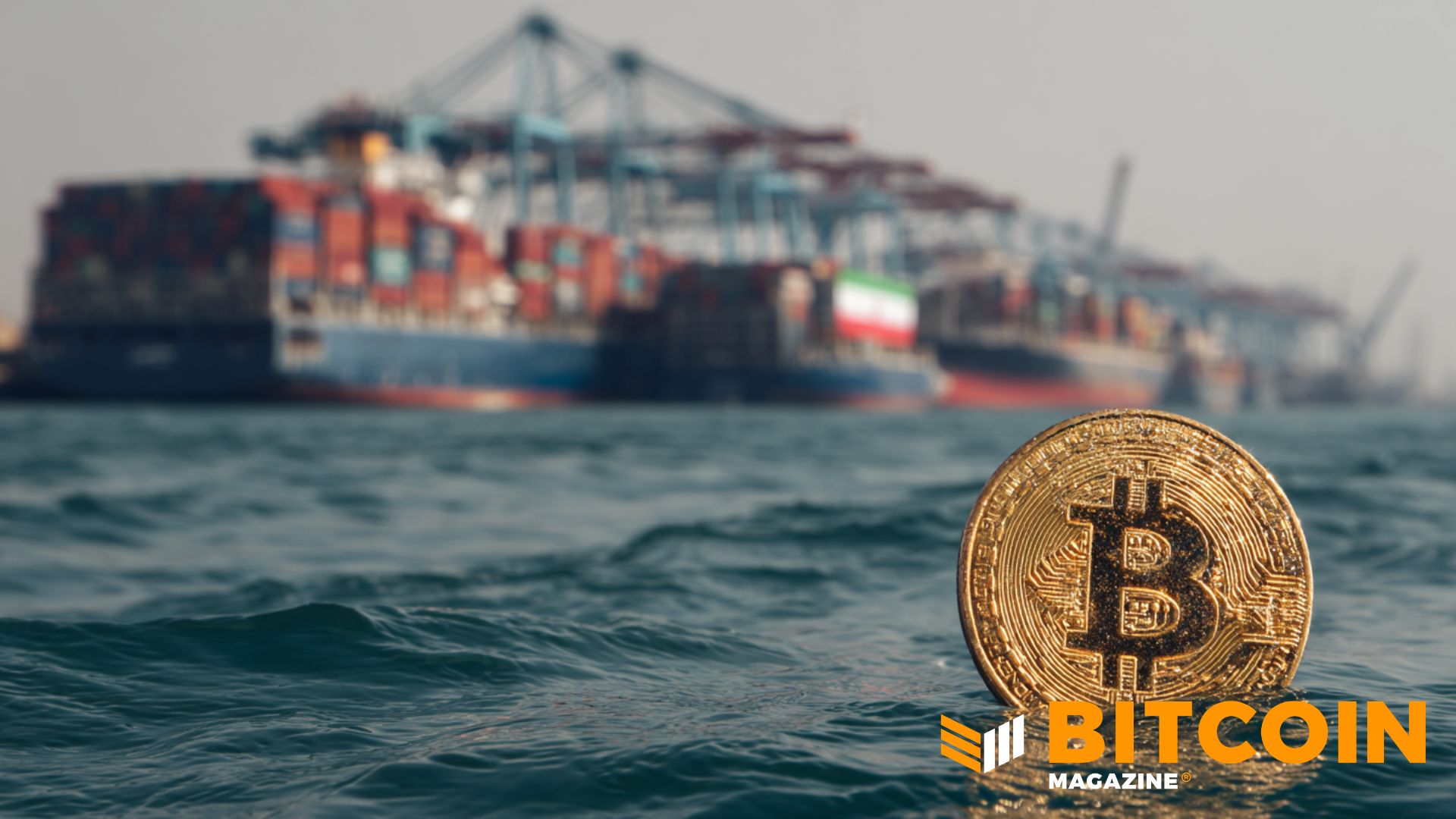
The firm accepts payments in Bitcoin (BTC) and other digital assets as part of Iran’s efforts to circumvent Western sanctions.
The Treasury also noted that Iran’s insurance regulator created the Persian Gulf Marine Insurance Company, which issues policies approved by the Persian Gulf Strait Authority.
OFAC sanctioned the IRGC-backed authority on May 27. It has now designated both the Persian Gulf Marine Insurance Company and HormuzSafe Marine Services Authority under Executive Order 13902 for operating in Iran’s financial sector.
In addition, OFAC sanctioned eight shipping companies and identified eight oil tankers as blocked property. The operators are registered in Hong Kong, the Marshall Islands, and China. According to the Treasury, the vessels transported Iranian crude oil and petroleum products.
The agency has now sanctioned more than 100 shadow fleet vessels since January. The latest measure is part of a broader US enforcement action against Iran.
In mid-July, the Treasury sanctioned four cryptocurrency wallets linked to Iran’s central bank. At the same time, Tether froze approximately $131 million in USDT held in those addresses.
Subscribe to our YouTube channel to watch leaders and journalists provide expert insights
The post OFAC Targets Iran’s Crypto-Funded Toll Scheme in Strait of Hormuz appeared first on BeInCrypto.
origin »Bitcoin price in Telegram @btc_price_every_hour
Digital Insurance Token (DIT) на Currencies.ru


|